The plough turns and breaks up soil to bury crop residues making it different to other ploughs making it; – Lighter (making it easier to use) – Use two horses and one person (instead of four oxen and two trained oxen drivers) – Cheaper (More people able to buy it the more food to be created) – Contribute to better yield (meaning more food = able to sell to urban population) – The plough wasn’t as taxing on the soil (old ploughs damaged the earth)
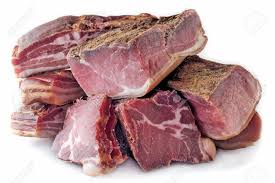
As before the agricultural revolution started, land owners/ communities would (before winter, for winter) kill there life stock and preserve the meat for the fall because of the lack of food that they could grow. This would be a long process that majorly didn’t work, though the meat not being eatable late winter. Affects of this would be hunger because of lack of food and from the vegetable staple diet. Foljambe helped fix this by the positive affect on yield, this meant that there was feed for the livestock so then the farmers could afford to keep them alive over fall(= More fresh food = more people living longer lives).
Joseph Foljambe established a factory to produce his Rotherham plough, the first commercially successful iron plough. Meaning employment of individuals that were hired to worked in the coal and iron industry since iron was a major piece of the design of the plough with coal utilized to warm and shape the iron ore.

The development of the Rotherham furrow (plough) lead individuals to test diverse mouldboard shapes, endeavoring to enhance the design, to make more effectiveness. John Small explored different avenues regarding mouldboard curatures and designs and created the ‘Scots Plow’. The ‘Scots furrow’ had a general solid metal shape that would turn the dirt all the more successfully with less draft, wear and strain on the cultivator (ploughman) would happen. Over year the ‘Rotherham Plough’ was all the while evolving.
 History on Joseph Foljambe