Introduction-
Before the Agricultural revolution (in the larger industrial revolution,) farming (cropping) was extremely simply and had been for centuries. Farming was done by the whole village/ community with traditional ways, instead of the modern ownership of land (The encasement act.) This was problematic for if a crop was to fail they would of starve.

The rotherhem plough was an advanced version of the traditional plough. Made of wood, the main difference was the cutting and fitting blade which were made of iron. as the Mouldboard and ploughshare were covered in iron sheets.
Biography-
“Joseph Foljambe of Eastwood patented his invention, the Rotherham Plough”.

Foljambe was born in the early seventeenth century, In Rotherham his home town until after he creates the plough. He was brought-up in a poor family that worked on the said communal plots of land. His older brother, Author Foljambe 2nd Eale of Liverpool was as his title states an eale of liverpool. with his oldest brother being Cecilv Foljambe the 1st of Liverpool he as a youth had big shadows to concur. As such say he did through his creation of the ‘Rotherham Plough’ named after his home town and in grais to his late mother Sellina Foljambe whom the night of the annual Rotherham Feast.
After Joseph created the plough design to the most he could he sold by Joseph Foljambe to Disney Stanyforth years later.
Impact-
The plough turns and breaks up soil to bury crop residues making it different to other ploughs making it; – Lighter (making it easier to use) – Use two horses and one person (instead of four oxen and two trained oxen drivers) – Cheaper (More people able to buy it the more food to be created) – Contribute to better yield (meaning more food = able to sell to urban population) – The plough wasn’t as taxing on the soil (old ploughs damaged the earth)
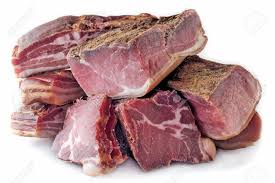
As before the agricultural revolution started, land owners/ communities would (before winter, for winter) kill there life stock and preserve the meat for the fall because of the lack of food that they could grow. This would be a long process that majorly didn’t work, though the meat not being eatable late winter. Affects of this would be hunger because of lack of food and from the vegetable staple diet. Foljambe helped fix this by the positive affect on yield, this meant that there was feed for the livestock so then the farmers could afford to keep them alive over fall(= More fresh food = more people living longer lives).
Joseph Foljambe established a factory to produce his Rotherham plough, the first commercially successful iron plough. Meaning employment of individuals that were hired to worked in the coal and iron industry since iron was a major piece of the design of the plough with coal utilized to warm and shape the iron ore.

The development of the Rotherham furrow (plough) lead individuals to test diverse mouldboard shapes, endeavoring to enhance the design, to make more effectiveness. John Small explored different avenues regarding mouldboard curatures and designs and created the ‘Scots Plow’. The ‘Scots furrow’ had a general solid metal shape that would turn the dirt all the more successfully with less draft, wear and strain on the cultivator (ploughman) would happen. Over year the ‘Rotherham Plough’ was all the while evolving.
Moden impact-

The present furrows are pulled by tractors as opposed to steeds or bulls. Mordern furrows are increasingly mind boggling contrasted with the Rotherham furrow. present day furrows have different reversible furrows, they frequently have two to seven mouldboards and a water powered framework (used to lift and turn around the execute, just as ajust wrinkle width and profundity).

Bibliography-
Sargent, P. (2019). What Was the Agricultural Revolution? AP Euro Bit by Bit #23. Retrieved from https://www.youtube.com/watch?v=zGVCYQoaWvs&t=179s
Education. (2019). Retrieved from https://industrialrevolutiongroupbuddies.weebly.com/education.html
Firth, S. (2019). History of the Plough. Retrieved from http://www.ploughmen.co.uk/about-us/history-of-the-plough
Franken, J. (2019). Plow | agriculture. Retrieved from https://www.britannica.com/technology/plow
The Agricultural Revolution: Timeline, Causes, Inventions & Effects – Video & Lesson Transcript | Study.com. (2019). Retrieved from https://study.com/academy/lesson/the-agricultural-revolution-timeline-causes-inventions-effects.html
The Rotherham Plough. (2019). Retrieved from https://prezi.com/bfu8zdk3nd7c/the-rotherham-plough/

 History on Joseph Foljambe